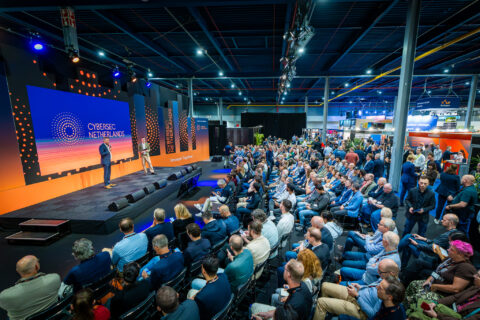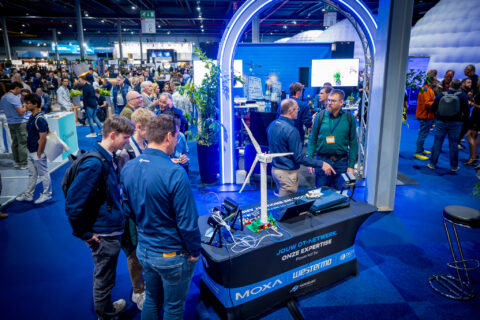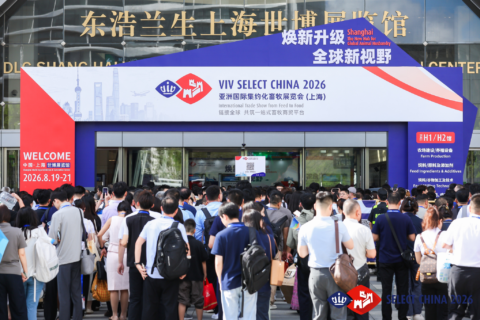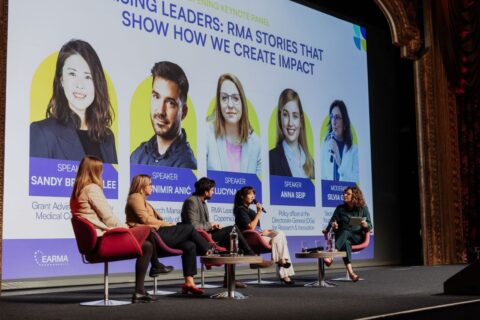
The events industry never stands still. Where everything used to take place physically, we have seen a shift in recent years. A trend. Because digital meetings have become perfectly normal. Even at events. And what do you get when you combine both worlds? Exactly. A hybrid event. We explain what a hybrid event is, what the advantages are and how to organise it successfully.
What is a hybrid event?
You've heard of it with a car: a hybrid variant. One that runs on both fossil fuel and electricity. Two forms, in other words. It is the same with an event. Because a hybrid event is both a physical and online event. In short: audience in the room and audience behind a screen.
But just putting a camera at a physical event does not work. You need to address and involve both target groups. After all, you know yourself how short your attention span is behind a screen. Is a piece less interesting or not quite your thing? Then it's easy to hit the cross. This is why interaction and good technology are essential in a hybrid event.
Benefits of a hybrid event
- Wider reach
Is someone ill, has a packed schedule, or are they on the other side of the world? Normally, these people would have to miss out. With the hybrid option, that’s not necessary: they can simply join in online. The same applies, of course, to your speakers. They too can ‘join in’ online if they are unable to attend in person. - Interactive
It is becoming increasingly common for physical attendees at an event to be brought into contact with online visitors. For example, allow online viewers to ask questions, which the presenter can then address live. This is a great way to connect both audiences. - Reusing content
With a hybrid event, you also record a lot of content in advance. After all, you want your online viewers to enjoy the experience just as much as those attending in person. And that content is a goldmine – perfect for use across various channels. - Sustainable
Yes, you need data to stream everything … but at the same time, emissions are lower because people can watch from home. And that saves a lot of fuel that would otherwise be used by cars, trains and aeroplanes. - More accessible
There are always certain themes or topics that people find less relevant. Sometimes this means that someone doesn’t want to attend the event as a result. And that’s a shame! By making the event hybrid, those people can still attend and skip the topics they’re less interested in. - More data
Data at a physical event can sometimes be difficult to collect. It’s easier to do so online. What’s more, this allows you to gather additional data, such as viewing time, interactions, downloads or responses to polls. These are valuable insights that will help you organise your next event even better.
What do you need for a hybrid event?
As we pointed out earlier: a camera alone won't get you there. A good hybrid event needs more. For example, good technology, content and experience. These are (if you ask us) the most important components:
- A good venue
This is, of course, a bit of a ‘self-promotional’ situation… But that doesn’t make the message any less important. After all, the event venue must, of course, be suitable for both a live audience and for cameras and technical equipment. The acoustics must be right and the lighting must be up to standard. And what about the right technical facilities? Or even the internet connection needed to stream the event? - Professional technical support
Nothing is more frustrating than a faltering connection, a microphone that isn’t working or a blurry camera. If you opt for a hybrid version of your event, you’ll need to handle the technical aspects professionally. At Jaarbeurs , we can help you with this; we’d be happy to put you in touch with the right providers. - Interaction
As we mentioned earlier, the red cross at the top of the screen is easy to click. So make sure you engage your online viewers in the event. Ask them questions, use polls, chats and online break-rooms. There are various ways to actively involve online visitors in the in-person event. Make the most of them! - Direction. Direction.
Make sure you hire a good director to help you with this. Who appears on screen and when, what do you show during the breaks, how do you switch between live and online? When do you switch cameras? These are all extremely important questions for the online viewer’s experience. Think like a film or television producer! - Keep the online viewer in mind
When organising a hybrid event, you may be tempted to focus solely on the on-site attendees. Above all, don’t forget the online viewer. For example, instruct your speakers to look into the camera from time to time, rather than just talking to the audience. Or avoid using PowerPoint slides that are difficult to read. Think about good visuals and a coherent narrative – for the screen as well.
Also organising a hybrid event?
We can imagine that it's not every day you organise a hybrid event. We do. Or well ... at least regularly. After all, at Jaarbeurs we have more than 100 years of experience in organising and hosting all kinds of events. And in recent years, an online focus has been added. We use that experience to make other events even more successful. Need help organising a hybrid event? Want to spar or see what we can do for you? Contact us, we are ready to help!