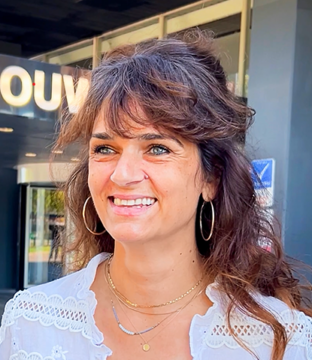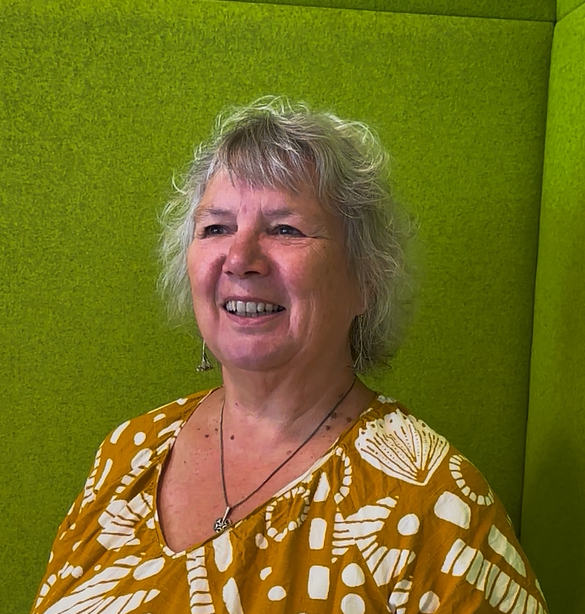
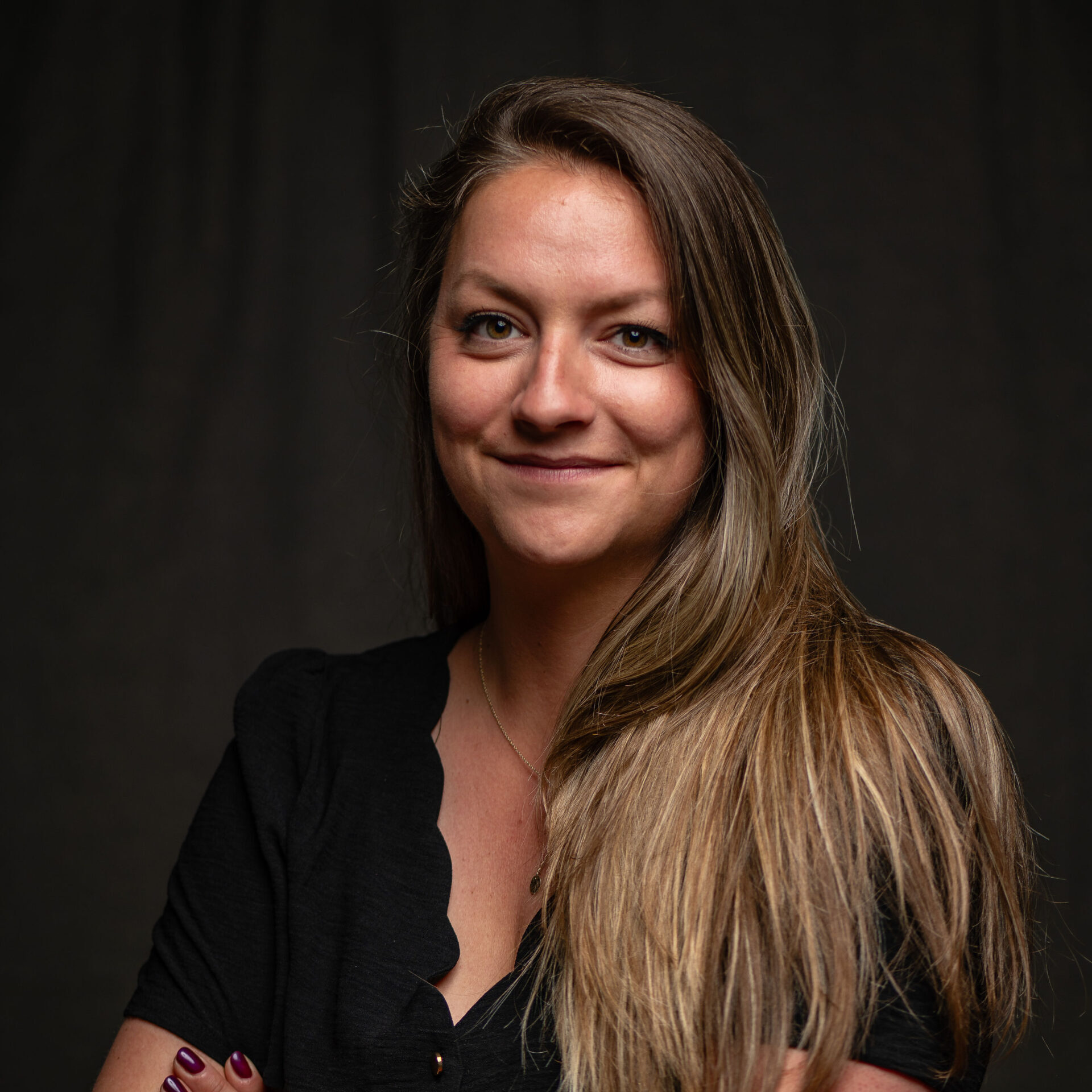
She helped transform paper floor plans into digital drawings, witnessed the advent of business mobile phones and worked with various systems that keep Jaarbeurs running. Ruth Schippers is a familiar face at Jaarbeurs. She’s actually been working there for almost 38 years! She now works as a functional application manager – a technical role. But her work is just as much about people.
“As a functional application manager, I act as a link between the system users and the supplier,” explains Ruth. At Jaarbeurs , she mainly focuses on Momentus, the system used by almost all departments. Sales, finance, logistics, floor plans, procurement: it’s all in that system. “I help people with their queries, sort out problems, test new releases, deliver training and look at how we can get better information out of the system.”
Ensuring people can do their jobs
The questions Ruth receives vary widely. Sometimes it’s something minor. “Someone might say: ‘I can’t find this.’ Then you sit down next to them, click, click, and it’s sorted.” But there can also be a larger process behind it. For example, if VAT rules need to be different for overseas customers, or if purchase orders and invoices no longer align properly with how the organisation operates. What Ruth finds important is that colleagues can use the system in a way that suits their work. She explains: “A chef, for example, shouldn’t have to figure out how a computer system works. They want to know what needs to be cooked. Ideally, those lists should just roll out of the printer in the morning.” The same applies to senior management and managers. “If someone needs to approve invoices, they should just be ready and waiting. As little searching and clicking through as possible. That’s where we help.”
The person behind the system
It is the human touch within Jaarbeurs that appeals to Ruth: “I actually go everywhere. I immerse myself in what people do and what they need to be able to do their jobs.” That requires more than just system knowledge. “You have to sit down next to someone and ask: what do you want to see? What do you need? How do you work?” That’s what makes it both interesting and challenging for her. “If people can work more easily, everyone benefits.”
From tracing paper to Momentus
When Ruth started at Jaarbeurs , the world looked very different. She began in the Work Preparation and Planning department, where exhibition floor plans were still drawn on paper and tracing paper. She helped to digitise those floor plans. Later, she did the same at Bouwzaken, where she organised technical drawings, room layouts and archives. “There was no internet back then, no network like we have now. Everything was done on paper, with copies and carbon copies. I’ve been to absolutely every single room at Jaarbeurs with a bunch of keys – from the cellars right up to the roof.”
Always on the move
The reason Ruth has worked at Jaarbeurs for so long is the variety. “I’ve always been able to do something new here. Set something up, take it further, and then move on to the next thing.” One of the projects she’s still proud of is Floormanager, a system for, amongst other things, exhibition floor plans and stand order administration in SAP, which she spent years developing. “That was really my baby,” she says.
Jaarbeurs herself has changed too. “When I started, we had a time clock. You had to clock in when you arrived and clock out when you went home. We had a landline and no computers. Work was very different back then.” Yet one thing has remained the same: the people. Ruth is still in touch with former colleagues, has lunch with people who left years ago, and has maintained close friendships from her time at Jaarbeurs. “That’s really special. You might not see some people for years, but it immediately feels familiar again.”
These are the reasons why Ruth has enjoyed working at Jaarbeurs for 38 years: “It’s the combination of technology, the organisation and the processes behind it. And, running through it all, the contact we have with one another.”